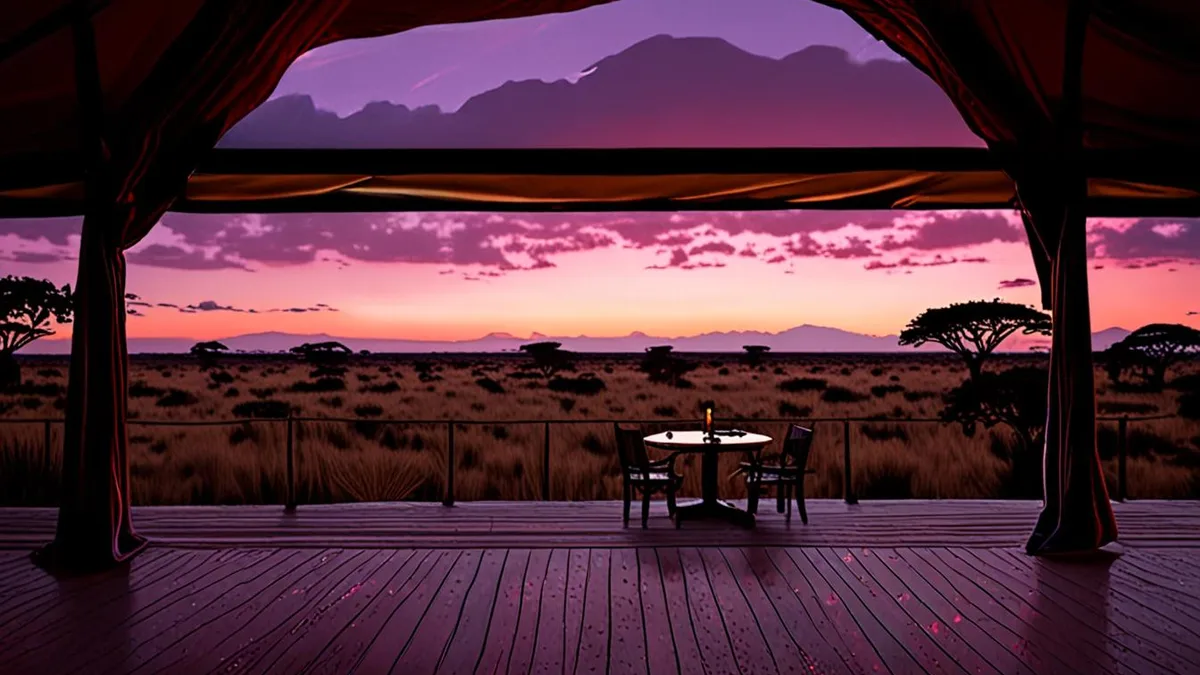
You’ve seen the photos: a canvas suite on the edge of the savanna, a steaming cup of coffee on your private deck as elephants pass in the distance. Safari glamping in Kenya delivers exactly that, but choosing where to go and when to book can feel overwhelming. The Maasai Mara, Amboseli, Tsavo and the northern conservancies all offer tented stays, yet each shines in a different season and at a very different price.
This guide walks you through what a luxury tented camp actually includes, which parks and reserves best suit your wildlife wish list, and how the seasons shape both game viewing and rates. We’ll break down realistic budgets, explain how far ahead to reserve and how fly-in itineraries work, and give you a realistic picture of a full day at camp. By the end, you’ll know exactly which corner of Kenya fits your trip.
What Safari Glamping in Kenya Really Looks Like
Forget the canvas-on-a-groundsheet image. A luxury tented camp in Kenya is a proper suite under canvas: a solid base, a king bed, en-suite bathroom with a hot shower, and often a private plunge pool or outdoor bathtub looking straight onto the plains. Meals are frequently fine dining affairs, served under the stars or in an open-sided mess tent, and many camps have spa treatments, well-stocked bars and Wi-Fi in the main areas.
Different types of tented stays
Not all camps are the same. Mobile migration camps are lightweight operations that pack up and move with the herds, putting you close to the action. Permanent camps are built to lodge standards on fixed sites, some on private conservancies where you get more space and exclusivity. Conservancy-based tents often sit far from any other property, so your view is pure wilderness rather than a neighboring camp.
Most safari glamping stays in Kenya are all-inclusive. Your rate typically bundles game drives, all meals, and transfers to and from the nearest airstrip, and many camps also include drinks and laundry. That means once you arrive, you can leave your wallet in the tent and simply enjoy the bush. Always check what a specific camp includes before you book, as inclusions vary.
Best Parks and Reserves for a Tented Safari
Kenya offers tented safaris across very different landscapes, and each park has its own signature experience. The Maasai Mara is the classic choice, famous for big cats and the Great Migration river crossings that happen roughly July to October. It’s about 270 km from Nairobi, so most travelers arrive by light aircraft in under an hour rather than enduring the 5-6 hour road transfer. Amboseli, about 240 km southeast of Nairobi, is renowned for its large elephant herds photographed against Mount Kilimanjaro, with the clearest views during the June-October dry season. Tsavo East and West offer a wilder, more spacious feel with far fewer vehicles, making them a good fit for travelers who want scenery and solitude over dense sightings.
For something different, head north to the private conservancies of Laikipia and Samburu, where rare species and flexible activities set the tone. These areas reward repeat safari-goers who have already ticked off the big cats and want a more hands-on, varied experience.
- Maasai Mara conservancies: bordering the main reserve, these private areas limit vehicle numbers at sightings and allow activities the reserve doesn’t, giving you a quieter big-cat experience without sacrificing access to the migration itself.
- Amboseli’s swamp zones: permanent springs draw elephants to the same open areas daily, making it one of the easiest parks for close, predictable elephant photography, especially in soft morning light with Kilimanjaro behind them.
- Tsavo’s red elephants: the region’s rust-red soil coats the herds, and the park’s sheer size means you can drive for long stretches without meeting another safari vehicle.
- Samburu specials: the dry northern country hosts species found in few other places, including Grevy’s zebra and the reticulated giraffe, alongside classic plains game.
- Laikipia on foot and by night: private land means walking safaris and night drives are possible, letting you track wildlife in ways national parks don’t allow.
When to Go: Seasons, Wildlife and Prices
Timing shapes everything on a Kenyan safari: what you’ll see, what you’ll pay and how many vehicles share your sightings. Peak season runs roughly June to October, when dry conditions concentrate wildlife around water and the Great Migration herds cross the Mara rivers, typically July to October. Expect the best game viewing of the year, but also the highest rates and the biggest crowds at famous crossings.
Shoulder seasons and the rains
January and February bring a second dry spell: hot, clear and excellent for game viewing, with shoulder-season pricing that undercuts the peak. The short rains from October to December create a quiet sweet spot, with fresh green landscapes, newborn animals everywhere and moderate rates.
The long rains from mid-March to late May are the trade-off season. Rates can drop 30-50%, and the scenery is at its most photogenic, but some camps close entirely and roads can turn to mud, making game drives harder. If you’re tempted by low-season deals, confirm your camp will be open and check road or flight access before committing.
How to Choose the Right Camp for Your Budget
Tented safaris in Kenya span a wide price range, so knowing where you sit on the spectrum helps you narrow the field fast. Mid-range tented camps typically run $250-$600 per person per night, usually with meals and game drives included. Top-end camps exceed $1,000 per person per night and often add private guides, premium drinks and extras like bush meals or spa treatments.
The sticker price can be misleading if you don’t check what’s bundled in. Some camps quote a lower rate but bill game drives, park entry fees, drinks and laundry separately, which can add a surprising amount to your final bill. Others quote an all-inclusive rate where the only extra is tipping and souvenirs. Always ask for a sample invoice before you book so you can compare camps on the same footing.
Location matters too. Stays inside the Maasai Mara reserve itself put you on main game-viewing routes, but private conservancies around the Mara generally cost more and deliver a different experience in return. On conservancy land, vehicles can drive off-road to follow predators, night drives are allowed, and you’ll share sightings with far fewer vehicles than in the reserve during peak months.
- Mobile migration camps strike camp in different spots through the year, repositioning to follow the herds, so you sleep closest to the action during the river-crossing season.
- Permanent tented camps stay in one place and typically offer more amenities, such as plunge pools, spas and larger decks, in exchange for a fixed location.
- Conservancy stays often include activities the reserve doesn’t permit, like guided bush walks and night game drives, which can justify the higher rate if you want variety beyond vehicle safaris.
- Family or exclusive-use tents at the top end come with a private vehicle and guide, useful if you’re traveling with children or want a flexible schedule.
Booking Timeline and Getting There
Kenya’s tented camps are small, often with a dozen tents or fewer, so the best ones sell out early when demand is high. Getting the timing and the logistics right makes the difference between a smooth trip and a stressful one. A little advance planning goes a long way, especially if you have your heart set on a specific camp or a specific stretch of riverbank during the Migration. Here’s how to plan it.
- Book peak season early. For travel between June and October, reserve your camp 9-12 months ahead. The best-positioned camps along the Mara river crossings fill first, sometimes more than a year out, so don’t wait until your flights are booked to secure your tent.
- Use the low season’s flexibility. If you’re traveling outside peak months, booking 3-6 months ahead is usually enough, and you’ll often find better rates and last-minute availability. Just confirm your chosen camp is open during the dates you want.
- Fly in from Nairobi. Scheduled light-aircraft flights from Nairobi’s Wilson Airport reach the Maasai Mara in under 1 hour, versus a roughly 5-6 hour road transfer. Flying saves a full day and gets you to camp in time for an afternoon drive.
- Combine parks by air. Light-aircraft hops link the Mara with Amboseli or the Laikipia conservancies in a short scenic flight, letting you pair different landscapes and wildlife without losing days on long, bumpy road transfers between them.
- Check closures before the long rains. Some camps close during the April-May wet period. Confirm your camp will be open before you book flights, and ask about road conditions if you plan to drive rather than fly.
Once your camp is confirmed, your operator usually handles the flight connections and airstrip transfers as part of the package, so you rarely need to arrange anything on the ground yourself. Double-check baggage limits on light-aircraft flights before you pack, since soft-sided duffel bags and strict weight allowances are the norm on bush planes, and hard suitcases can genuinely be refused. Confirm whether park fees, drinks and laundry are included in your rate so there are no surprises at checkout. Then you’re free to stop worrying about logistics and focus on the trip itself.
What a Day at a Tented Camp Looks Like
A day at a Kenyan tented camp follows a rhythm that hasn’t changed much in a century of safari, and it’s one of the best parts of the experience. It starts early: staff wake you before dawn with tea or coffee delivered to your tent, because the coolest hours are when wildlife is most active. By 6:00 am you’re in an open-sided vehicle with your guide, following fresh lion tracks or watching elephants emerge from the mist.
Midday at camp
Morning drives typically run until around 9:30, ending with a full brunch back at camp. The middle of the day belongs to you: nap on your tent’s deck, read in the lounge, cool off in the plunge pool if your camp has one, or simply watch the plains from the shade. Animals rest during these hot hours too, so downtime is built into the safari for good reason.
Afternoon and evening
Around 4:00 pm, tea is served and you head out on the afternoon drive. Guides often time the route to end at a scenic spot with a sundowner, a cold drink enjoyed from the vehicle as the sun drops below the horizon. Back at camp, dinner is often served around a campfire, and the night ends with star-gazing from your deck, falling asleep to the distant calls of hyenas and the rustle of the savanna just beyond the canvas.
Planning Your Kenya Glamping Safari
The magic of a luxury tented safari in Kenya comes down to two simple choices: where and when. Match your park to your season, and everything else falls into place. The Maasai Mara delivers its greatest drama during the July to October migration window, while Amboseli and Tsavo shine in the other months without the peak-season crowds.
Once you have picked your park, lock in your camp early. Peak-season tented camps should be reserved 9-12 months ahead, and it pays to weigh private conservancies against park-based stays before you commit. Then balance your budget against what each rate includes, from game drives to drinks and laundry, so the final price matches your expectations. Somewhere between a $250 canvas suite and a $1,500-plus showpiece is the tented camp that fits your trip perfectly. Have a question or a favorite Kenya camp of your own? Leave a comment or share this article with a fellow traveler.