Choosing between Ubud, Seminyak and Canggu is the biggest decision when booking a Bali villa, and the wrong base can shape your whole trip. Each area delivers a completely different version of the island: misty jungle valleys with temple mornings, a polished beachfront strip with sunset bars, or a laid-back surf town full of laptops and smoothie bowls. Figuring out where to stay in Bali villas comes down to matching the neighborhood to the kind of days you actually want.
This guide compares all three side by side. We break down what the villas themselves are like in each area, what your budget realistically buys, and how the seasons and booking lead times affect price. We finish with a simple way to choose between them, including whether a split stay might give you the best of both worlds. By the end, you should know exactly which part of Bali deserves your luggage.
Ubud: Jungle, Rice Terraces and Culture
Ubud sits in Bali’s green highlands, and it feels like a different island from the coast. The air is cooler, the pace is slower, and the mornings often start with birdsong instead of traffic. This is the area for wellness retreats, daily yoga classes, temple visits and long walks past rice terraces. If your ideal Bali day involves a massage, a jungle trail and a quiet dinner, Ubud will feel like it was built for you.
The villas reflect the landscape. Most are jungle sanctuaries rather than beach properties, often perched on valley edges with views over palm-filled ravines or rice paddies. You trade sand and surf for infinity pools that seem to float above the treetops. Privacy tends to be excellent, and many properties feel like private retreats with staff who remember your name by day two.
Plan for the drive
One practical trade-off is distance. Ubud lies roughly 35-40 km from Ngurah Rai Airport, and the drive typically takes 1.5-2 hours depending on traffic. That makes a one- or two-night stopover feel rushed, so plan a longer minimum stay. Ubud suits travelers staying five nights or more who want a slower, nature-focused rhythm rather than a quick beach escape.
Seminyak: Beach Clubs, Dining and Polished Comfort
Seminyak is Bali’s most established upscale area, and it shows in the polish. It sits about 10-12 km from Ngurah Rai Airport, so you can be at your villa pool around 30-45 minutes after clearing arrivals. For a first visit or a shorter trip, that convenience is hard to beat. No long transfers, no winding mountain roads, just a quick hop from the plane to a cold towel and a welcome drink.
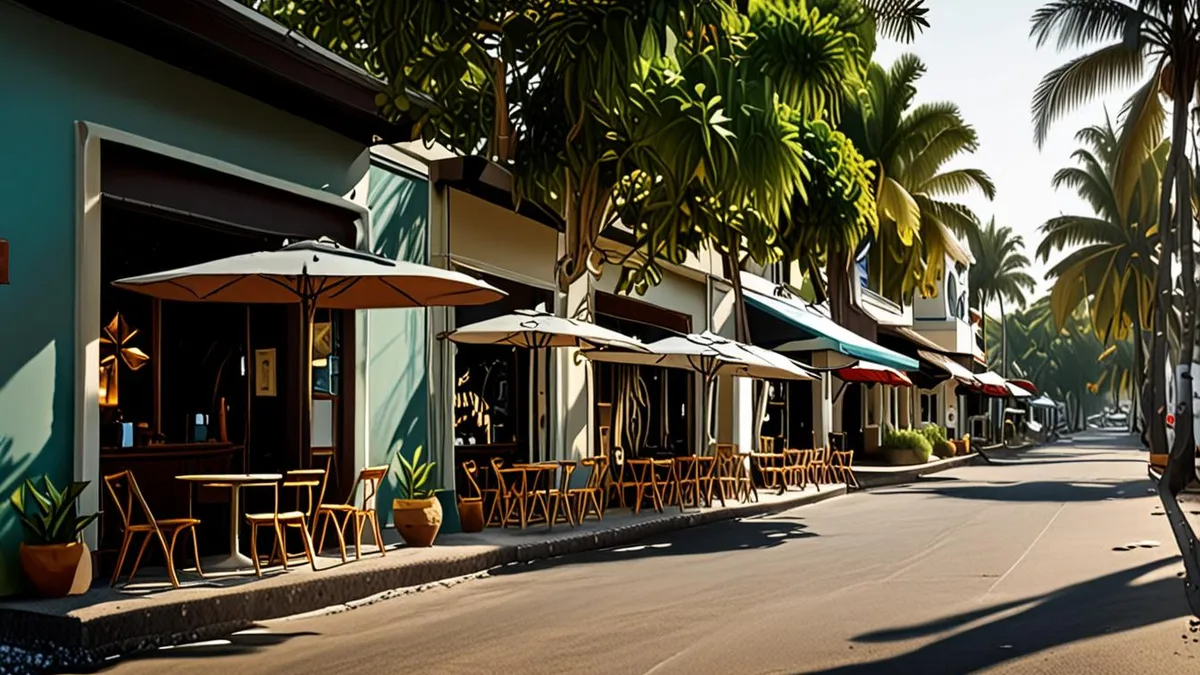
The appeal is everything being close together. Seminyak runs along a walkable stretch where boutiques, sunset beach clubs and fine dining sit within a few blocks of each other. You can browse shops in the afternoon, claim a beanbag for sunset and walk to dinner without ever calling a driver. The beach itself is wide and good for long evening strolls rather than serious surfing.
What the villas are like
Villas here tend to be compact and modern, trading space for location. Plots are smaller and more expensive, so you get sleek design, a plunge or lap pool and a smart layout rather than sprawling gardens. For couples who want a romantic base with everything on foot, that formula works beautifully; a romantic private pool villa in Bali is very much the Seminyak specialty. First-time visitors who want comfort and convenience without logistics will feel most at home here.
Canggu: Surf, Digital Nomads and Laid-Back Space
Canggu is the fastest-growing villa hub on the island, sitting about 15-18 km from Ngurah Rai Airport, roughly a 45-60 minute drive away. A decade ago it was rice fields and a surf break; today it’s a string of villages filled with villas, cafes and surf schools. The crowd skews younger, with a large work-from-anywhere community tapping away in cafes between surf sessions.
The practical advantage is space. Because plots are bigger than in Seminyak, your budget buys more room: larger villas with generous pools, often with gardens and multiple bedrooms, at rates comparable to smaller coastal properties. If you want a big pool, a proper living area and room to spread out, Canggu delivers. A private pool villa sanctuary in Bali with real space around it is much easier to find here than in the tighter beach neighborhoods to the south.
Getting around matters
The lifestyle revolves around surf breaks, coworking cafes and beach clubs, but the streets are spread out and traffic can be slow. A scooter or driver is near-essential, since walking between cafes and beaches often means long, hot stretches on narrow roads. If you’re comfortable on two wheels or happy to budget for daily drivers, the trade-off is worth it. If you want to walk everywhere, Seminyak remains the easier choice.
Price and Value: What Your Budget Buys in Each Area
Good news for villa hunters: Bali is one of the few places where a genuine private pool villa sits comfortably inside a mid-range budget. Across Ubud, Seminyak and Canggu, mid-range private pool villas typically run $100-250 per night. The difference is not whether you can afford a villa, but what that money looks like when you walk through the door.
Outside peak season, Ubud delivers the most space and views per dollar. The same budget that gets you a compact two-bedroom near the beach in Seminyak can often get you a sprawling jungle property with a valley-facing infinity pool. Seminyak, by contrast, commands a location premium: expect smaller footprints and tighter plots for the same rate, simply because you are paying to walk to the beach clubs. A property like the tropical private pool villa with lush gardens and a serene poolside setting shows how much comfort a mid-range budget can unlock when you shop outside the priciest strips.
Canggu offers the best size-to-price ratio of the three, thanks to bigger plots and rapid development. The trade-off is consistency: quality varies street by street, sometimes house by house.
- Staffing levels differ by area. Ubud villas at this price often include full-time housekeeping and breakfast cooked on site, while some Canggu rentals are self-check-in with weekly cleaning only, so read the inclusions line carefully.
- Outdoor space is the hidden variable. A $150 night in Canggu might buy a 15-meter pool and a large garden, while the same rate in Seminyak may mean a plunge pool hemmed in by neighboring walls.
- Ask what “private pool” actually means. In denser parts of Seminyak and Canggu, some budget listings share a pool between two units; true exclusivity is worth confirming before you book.
- Longer stays unlock better rates. Many villa owners offer weekly or monthly discounts, which matters most in Ubud where a slower, longer stay is already the natural rhythm.
When to Book: Seasons and Lead Times for Bali Villas
Bali’s villa market moves with the weather, and timing your booking well can easily save you hundreds of dollars over a week-long stay. The island has two broad seasons: the dry season runs roughly April to October and brings reliable sunshine, lower humidity and calm mornings that suit pool days and beach trips. November to March is the wet season, with rain most often arriving as short afternoon showers rather than all-day washouts. Rates follow this pattern closely, so the calendar matters almost as much as the villa itself.
- Identify your season before you search. If you want guaranteed beach weather, aim for the dry months; if you are chasing value and do not mind ducking indoors for an hour each afternoon, the wet season opens up serious discounts.
- Book 3-6 months ahead for peak season. July-August and Christmas-New Year are when rates rise 30-50% and the best villas sell out first, so early booking is less about price and more about securing the property you actually want.
- Book 1-2 months out in shoulder season. Outside the peak windows, availability is generally healthy and last-minute deals appear, though popular family-sized villas still go early.
- Target April-June and September-October for the sweet spot. These shoulder months combine good weather with the lowest rates of the year and noticeably fewer crowds at restaurants, temples and beach clubs.
- Recheck rates before confirming. Villa pricing shifts week to week, so compare a few dates on either side of your preferred window before paying the deposit.
One more tip: if your dates are flexible, shifting a trip by even a week across a season boundary can change your rate significantly. Travelers who land in late September instead of mid-July often pay shoulder-season prices for near-peak conditions, with sunny mornings and green, freshly watered landscapes. It is also worth messaging the villa host or manager directly after finding a rate online; for longer stays, many will offer a small discount or a free airport transfer rather than lose the booking to a competitor. Finally, read the cancellation terms carefully before paying a deposit, since wet-season storms occasionally disrupt flights and ferries, and a flexible rate is worth a few extra dollars if your plans might move.
How to Choose Where to Stay in Bali Villas
Choosing between Ubud, Seminyak and Canggu becomes much easier once you start with your trip goal rather than the villa photos. If your days will revolve around temple visits, rice terrace walks and yoga classes, Ubud is the natural fit. If you want to step out of your villa and walk to boutiques, sunset beach clubs and restaurants, Seminyak delivers that walkable rhythm. If surfing, coworking cafes and room to breathe top your list, Canggu is built for exactly that.
Do not feel locked into one choice. Split stays work exceptionally well in Bali: many travelers book a few nights in Ubud followed by a similar stretch on the coast, getting the highland culture and the beach in a single trip without ever feeling rushed. Just remember that moving between areas eats up half a day once you factor in checkout, the drive and check-in, so keep the handover simple and pack accordingly.
It also helps to think about how you will actually spend your hours, not just where you will sleep. Early risers who want sunrise walks through rice paddies will be happier in the hills, while anyone chasing sunset sessions and late dinners will get more out of a coastal base. Match the area to your daily rhythm and the villa choice often makes itself.
- Match transfer time to your landing time. A midnight arrival means reaching an inland villa in the small hours; a coastal base shortens that first transfer considerably, which matters after a long flight.
- Read recent reviews for noise. In Canggu especially, construction and scooter traffic are common complaints, and a villa that was quiet two years ago may sit next to an active building site today.
- Check road access before booking a remote villa. Some of the most beautiful Ubud and Canggu properties sit down narrow lanes that larger cars and luggage transfers struggle with, which matters more than it sounds when you are tired.
- Look closely at pool privacy. Photos can hide overlooking neighbors or shared boundaries, so scan reviews and listing maps to confirm the pool is genuinely enclosed.
- Confirm how you will get around. Seminyak rewards walking, while spread-out Canggu and valley-side Ubud villas usually mean relying on a scooter or a driver for most outings.
The Bottom Line
So, where should you stay in Bali villas? The answer comes down to the trip you want. Ubud suits longer, nature-led stays with culture and cooler highland air. Seminyak suits travelers who want convenience, walkable dining and nightlife. Canggu suits surfers and remote workers who value space and a laid-back pace.
Whenever you book, shoulder season and early planning deliver the best villa value in every area. And if you can’t choose, a split stay lets you experience two sides of Bali in one trip. Where did you end up staying? Leave a comment or share this article with a friend planning their own Bali escape.