If you’ve ever lain awake on a thin air mattress listening to every rustle in the dark, or queued for a cold communal shower at dawn, you already know the problem with traditional camping. You want the stars, the campfire and the morning birdsong — but not the aching back, the frozen ground or the bathroom shared with forty strangers. That tension is exactly where glamping comes in. So, what is glamping? In short, it’s camping with the comfort built in: a real bed, proper heating and a private bathroom, all set in the middle of nature.
This beginner’s guide walks you through everything you need before booking your first night under canvas. We’ll explain what glamping actually is and how it differs from regular camping, break down the main stay types from safari tents to domes, and look at what you can expect to pay per night. Then we’ll cover the best times to go and how far ahead to book, how to choose a site that suits you, and what to pack so your first trip goes smoothly.
What Is Glamping, Exactly?
Glamping is short for “glamorous camping,” and the name does a lot of honest work. The idea is simple: you get the outdoor setting — a forest clearing, a lakeside meadow, a hillside with a view — combined with the things that make a hotel room livable. That means a real bed with proper mattresses and linens, heating for chilly nights, and in most cases a private bathroom you don’t have to share with the rest of the campground.
The biggest difference from traditional camping shows up the moment you arrive. There’s no car loaded with tents, sleeping bags, coolers and lanterns. You pull up, drop your bag and you’re done. Linens are already on the bed, a kitchenette or basic cooking setup is usually waiting for you, and the lighting works at the flip of a switch. Someone else has handled the hard part of making the outdoors habitable.
Why people choose it
The core appeal comes down to one trade: nature immersion without giving up comfort or hygiene. You still wake up to birdsong instead of an alarm, cook outside if you want to, and fall asleep to the sound of wind in the trees. But you also get to brush your teeth in a clean bathroom, dry off with a real towel and sleep in a bed that doesn’t leave you sore. For travelers who love the outdoors but have been burned by a miserable tent night in the past, glamping is often the compromise that finally works. It also opens the experience to people who simply can’t or won’t camp the traditional way — young kids, older parents, or anyone recovering from the last time they slept on the ground.
The Main Glamping Stay Types Explained
Not all glamping looks the same, and the type of unit you pick shapes both the experience and the price. Some stays are essentially a furnished hotel room wrapped in canvas; others are compact wooden cabins perched off the ground. Before you book, it helps to know what each style actually offers, because a “tent” in glamping terms can sleep a family of six on a raised deck with a kitchen inside.
The most common styles fall into four broad groups. Safari tents are the classic image most people picture: large, sturdy canvas structures built on wooden platforms, usually furnished with real beds, furniture and sometimes a small kitchen, and typically sleeping 2 to 6 guests. Geodesic domes and yurts take a different approach with round walls and curved roofs, which makes them feel surprisingly roomy inside. Treehouses and A-frame cabins lean toward compact, romantic builds aimed at couples. And pods and shepherd’s huts are the small, efficient units you’ll find at the budget end of the market.
- Safari tents: many sit on elevated wooden decks with covered porches, so you get an outdoor sitting area and often wide mesh windows that let airflow through in warm weather.
- Geodesic domes and yurts: their curved shape and large panoramic windows make them a favorite for stargazing from bed, and their solid insulation makes them popular in cooler months when a plain tent would be miserable.
- Treehouses and A-frame cabins: elevated or compact designs that trade space for privacy and views — expect steep stairs or ladders in treehouse models, and steeply pitched roofs on A-frames.
- Pods and shepherd’s huts: small insulated units, often the most affordable entry point, usually best suited to couples or small families who plan to spend their days outdoors anyway.
There’s no single “best” type — it depends on your group size, the season and how much comfort you want versus how much you want to spend.
How Much Does Glamping Cost?
Glamping prices vary more than most first-timers expect, so it helps to go in with a realistic range. As a general rule, expect to pay roughly $100 to $600 per night depending on the stay type, the region and the level of amenities. A simple pod in a rural area might sit near the bottom of that range, while a large safari tent with a full kitchen on a scenic property can climb well past the midpoint.
What pushes the price up
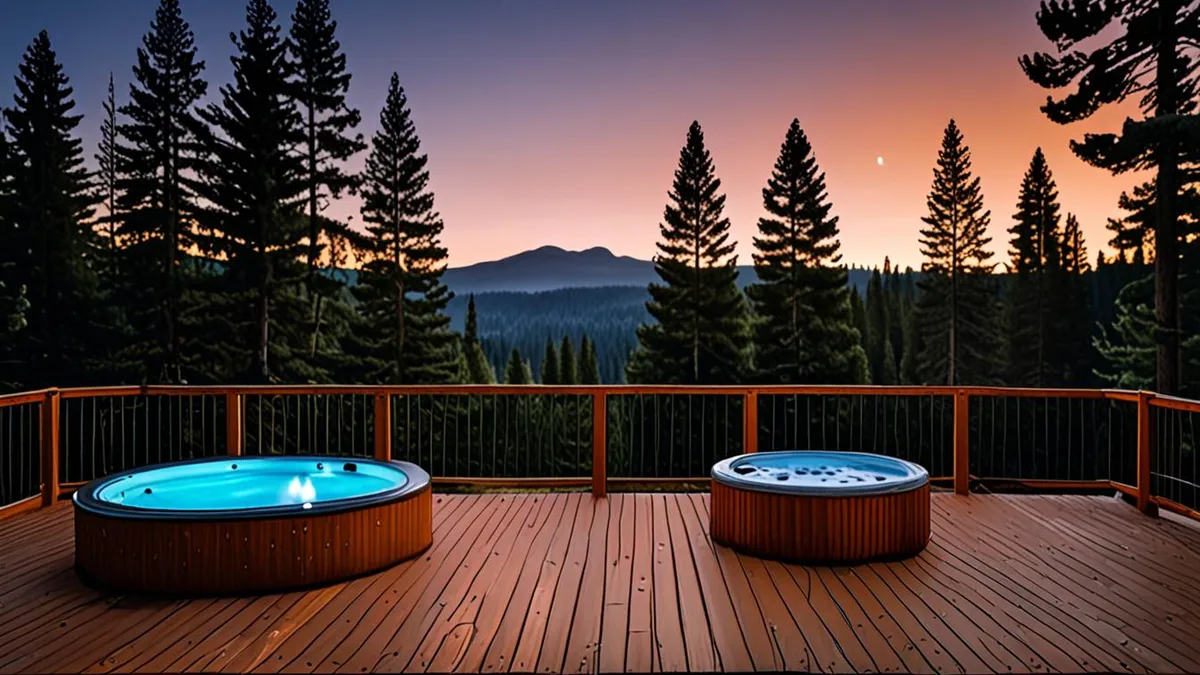
The biggest driver is the feature list. Premium touches like a private hot tub, a large deck with a view, or a fully equipped kitchen push a unit toward the top of the range — sometimes past it at high-end resorts. Location matters too: the same dome near a major national park or a popular coastline will usually cost more than an identical one an hour inland. If you’re comparing glamping with a conventional hotel stay, the math can be closer than you’d think; a night in a city property such as a premium luxury suite in Dubai can cost as much as a high-end glamping dome, but only one of them comes with a forest outside the window.
How to pay less
Timing is your main lever. Off-season bookings can often save you 20 to 40 percent compared with peak-month rates, and the experience is usually quieter too. The trade-off is weather: the cheapest dates are cheap for a reason, so check what heating and insulation the unit offers before committing to a cold-month bargain. It’s also worth comparing what’s included in the rate — some sites bundle linens, firewood and kayaks into the price, while others charge for them separately, which can change the real cost of your night considerably. Prices shift from year to year and property to property, so treat any figure as a starting point and check current rates before you book.
When to Go: Seasons and Booking Lead Times
Timing makes a bigger difference to a glamping trip than almost any other decision you’ll make. In most temperate destinations, peak season runs from May to September, when the weather is at its most reliable and canvas structures are at their most comfortable. That reliability comes at a price, though: summer weekends book out fastest and often carry the highest rates of the year.
If your heart is set on a July or August weekend, book 2 to 6 months ahead. Popular sites near lakes, national parks or coastlines can sell out their best units well before that window closes. For holiday periods such as long holiday weekends or the winter festive season, push that lead time out to 6 to 12 months. Owners often open their calendars a year in advance, and early bookers get first pick of the units with the best views.
Minimum stays and flexible alternatives
One detail that catches first-timers off guard: many sites enforce a 2-night minimum stay on weekends. A single Saturday night is rarely an option, so plan your dates around it rather than hoping for an exception. If your schedule is flexible, consider a midweek trip instead. You’ll often find better availability, quieter grounds and more attention from hosts, and you may sidestep the minimum-stay rule altogether.
Shoulder months just outside the May to September window can also be a smart compromise. Daytime temperatures are often still pleasant, and rates tend to soften once the peak crowd thins out. Just confirm your chosen unit has adequate heating before committing to a cooler month.
How to Choose Your First Glamping Site
Your first glamping trip should feel like a treat, not a gamble, and the difference between the two usually comes down to how well you vet the site before booking. Listings can be vague by design, so it pays to dig into the specifics rather than relying on dreamy photos alone. A few pointed questions will tell you most of what you need to know.
The biggest variable between sites is the bathroom situation. Some units come with a private, en-suite bathroom inside the structure itself, while others direct you to a shared shower block a short walk away. Neither is wrong, but if you’re picturing a midnight trip across a muddy field, you’ll want to know in advance. Heating and cooling matter just as much: canvas walls offer little insulation, so temperatures inside a tent or yurt can swing sharply with the weather outside. Confirm what’s provided, whether that’s a wood stove, electric heater or air conditioning.
- Capacity limits: most units host 2 to 6 guests, so check the exact maximum for your chosen unit and whether children count toward it — some sites price extra guests separately.
- Bed configuration: ask whether the unit offers one large bed or several singles, since a “sleeps 4” listing might mean two bunk beds rather than two doubles.
- Distance to facilities: if bathrooms or kitchens are shared, find out how far they are and whether the path is lit and paved or a rough trail.
- Cooking setup: a kitchenette might mean a full stove and fridge, or just a kettle and a two-burner camp stove — check which before planning meals.
- Recent reviews: scan the newest ones specifically for mentions of noise from neighboring units or nearby roads, unexpected wildlife encounters at night, and whether the photos actually match what guests found on arrival.
Ten minutes of this homework will steer you toward a site that matches your comfort expectations, and it’s far easier than discovering the truth after check-in.
What to Pack for a Glamping Trip
One of glamping’s best perks is how little you need to bring. The bed is made, the lights work and there’s usually a kettle waiting. But a glamping site is still an outdoor setting, and a little smart packing goes a long way toward keeping the trip comfortable from sunset to sunrise.
The most common surprise for first-timers is how cold evenings can get, even at the height of summer. Temperatures drop quickly once the sun goes down, and canvas structures don’t hold warmth the way a hotel room does. Pack layers and a warm jacket you can pull on for dinner on the deck or a late-night chat by the fire. Footwear matters too: paths between units and shared facilities are often unpaved, and grass stays damp overnight, so leave the flip-flops for inside the unit.
- Flashlight or headlamp: many sites keep outdoor lighting deliberately minimal to preserve the night sky, so bring a hands-free headlamp for trips to the bathroom block, plus spare batteries.
- Bug spray: you’re staying in or near natural habitat, so mosquitoes and midges come with the territory, especially near water or at dusk.
- Sunscreen and a hat: days are spent outdoors on decks, trails and open ground, and there’s often less shade than you’d expect.
- Slip-on shoes or sandals: handy for stepping out of the unit at night without lacing up boots every time.
- A reusable water bottle: some sites have limited taps spread across the grounds, so it saves repeated trips.
Pack with the outdoors in mind and you’ll get the best of both worlds: the fresh air and dark skies of camping, with none of the shivering or stumbling around in the dark.
Ready for Your First Night Under Canvas
If you love the idea of sleeping under the stars but dread thin tents, cold ground and communal bathrooms, glamping was designed for you. You get a real bed, a private bathroom and all the nature you could ask for, without hauling a single piece of gear. From budget pods to premium domes, stays typically run about $100 to $600 per night, so there is an entry point for most budgets.
Timing makes a real difference. Book 2 to 6 months ahead for the May to September peak, and pack layers for cool evenings even in summer. Do that, and your first night under canvas should feel less like a compromise and more like a proper getaway. If this guide helped you plan your first trip, leave a comment or share it with a friend who needs a nudge outdoors.