Glamping photos online look dreamy: a canvas tent glowing at sunset, a hot tub under the stars, coffee on a private deck. Then travelers arrive and discover the site is two hours down a rough gravel road, the “cozy” tent has no heating, and the nearest restaurant is an hour away. Knowing how to choose a glamping site before you book saves you from paying premium prices for a glorified camping trip.
This guide walks through the factors that matter most when comparing sites. We’ll cover why the right choice makes such a difference, how location and accessibility should shape your shortlist, why season and weather change everything, and how to judge accommodation types and comfort levels. You’ll also learn what amenities and activities to check for, how pricing and booking windows work, and finally how to put it all together and book with confidence.
Why Choosing the Right Glamping Site Matters
Anyone who has paid a premium rate only to find a cold tent, a shared bathroom down a muddy path, and no food within driving distance knows the feeling: a luxury escape that quietly becomes a camping trip with a higher price tag. The canvas walls and Instagram-ready deck don’t compensate for basics that were never mentioned in the listing.
Here’s what surprises many first-time glampers: the difference between a $120 site and a $400 site often comes down to amenities and location, not comfort. A pricey site might charge for its stunning setting and a hot tub, while a cheaper one delivers a warmer, quieter night’s sleep in a better-built tent. Paying more doesn’t automatically mean sleeping better.
What actually separates a great stay from a bad one
Seven factors do most of the work: where the site is and how you get there, when you go and what the weather will do, what kind of accommodation you book, what’s included on-site, and what you pay along with the fine print attached to it. Weigh each one against your own priorities, and you’ll filter out the disappointing options long before you hand over your credit card. The next sections break down each factor in turn.
Factor 1: Location and Accessibility
Before you compare a single tent or dome, decide what kind of trip you want. Seclusion means quiet nights, dark skies and long drives for supplies. Convenience means shorter transfers, easier meals out and quicker exits if the weather turns. Neither is better, but sites built for one rarely deliver the other, so be honest about which matters more before you start shortlisting. It also helps to think about who is coming with you: a couple celebrating something special may happily trade convenience for a remote setting, while a family with young kids usually appreciates shorter transfers and easy access to food.
If your trip is short, aim for a site under 90 minutes driving from the nearest airport or major city. That leaves you more actual vacation time instead of half a day in transit each way. For longer trips, a remote site becomes more rewarding, since the journey feels like part of the experience rather than a tax on it.
- Ask about the final stretch of road. Gravel tracks and unpaved mountain roads can add an hour in bad weather, so request details about surface and gradient, especially if you’re arriving in a small rental car.
- Check whether transfers are offered. Some sites run airport or town pickups, which can make a remote location workable without a rental car at all.
- Confirm parking arrangements. If you do rent a car, ask whether parking is next to your unit or in a shared lot a walk away, which matters when you’re hauling bags in the rain.
- Look at what’s reachable without driving. A site where you can walk to a trailhead or a small village changes how much you need the car day to day.
Factor 2: Season and Weather
Timing shapes both the price and the experience of a glamping trip. In most temperate regions, peak glamping season runs May to September, when nights are warm, decks get used, and every site charges its top rates. If your dates are flexible, the shoulder season at the edges of April and October can cut rates 20-40% versus peak, often with quieter grounds as a bonus.
Comfort depends on the calendar
Tents and domes insulate very differently, and a structure that feels perfect in July can be chilly in April. Canvas safari tents breathe well but hold little heat, while geodesic domes and cabins usually handle cold better, especially with proper insulation. If you’re booking outside the May to September window, confirm in writing that your unit has heating, or cooling where summers run hot. Don’t assume a heater is included just because the photos show one.
Weather beyond temperature matters too. Check typical rainfall patterns for your dates before you commit, since heavy rain can limit outdoor activities like hiking, kayaking or simply using that fire pit you were excited about. A site with covered outdoor space or an indoor lounge turns a wet day from a write-off into a cozy one, so look for that in listings and reviews if you’re traveling in a wetter month.
Factor 3: Accommodation Type and Comfort Level
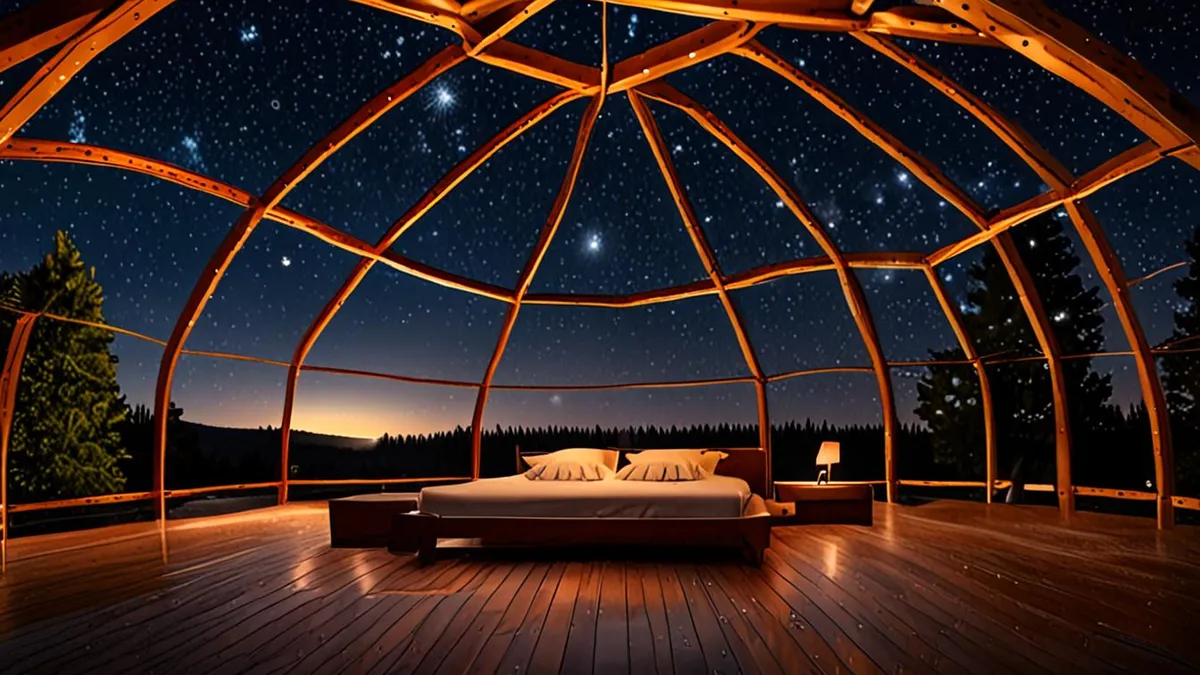
Not all glamping accommodations are created equal, and the difference between a safari tent and a geodesic dome can shape your entire stay. Safari tents usually offer the most space and a classic canvas feel, but they can heat up quickly in summer sun. Geodesic domes tend to feel more open and modern, though their large windows mean temperature control varies widely. Treehouses deliver the most memorable setting but often have compact layouts and weight limits on what they can include. Cabins are the safest bet for consistent climate control, since most have proper insulation and standard heating or cooling.
Amenity tiers are the second thing to compare. A basic site typically means shared bathroom facilities, while a mid-tier setup gives you a private bathroom. Premium accommodations usually add an en-suite bath, air conditioning and sometimes a hot tub. The price gap between tiers is significant, so decide which comforts you genuinely need before booking. If you want a benchmark for what a true premium stay feels like, browse the premium luxury suites at Goldcrest Dubai Skyline and note which amenities matter most to you.
Finally, go straight to recent reviews and search for two specific topics: bedding quality and temperature control. These are the two most common complaints in glamping reviews, and they rarely show up in official photos. A tent can look stunning in marketing shots yet have a thin mattress and no heating on cold nights. Reviews from the last few months tell you how the site actually performs in the season you plan to visit.
- Safari tents: canvas walls mean you will hear rain and wind clearly, which some guests love and others find disruptive for sleeping.
- Geodesic domes: check whether windows have covers or blinds, since clear panels let in early morning light and can affect privacy.
- Treehouses: ask about access, as many are reached by stairs or slopes that make carrying heavy luggage awkward.
- Cabins: confirm whether linens and towels are included, since some budget cabins charge separately for them.
Factor 4: On-Site Amenities and Activities
Glamping sites vary enormously in what they include, so start by writing down your personal must-haves before you compare options. For many travelers the non-negotiables are a private bathroom, a kitchenette, reliable Wi-Fi, a fire pit and a hot tub. Rank yours in order, because few sites offer everything, and knowing your top two or three keeps you from overpaying for amenities you will never use.
Next, look at what you can actually do on-site. Some properties include activities in the nightly rate, while others book them as paid extras. Kayaking, marked hiking trails and stargazing decks are common offerings, but availability depends heavily on the setting, so check the site’s activity list rather than assuming. If you are planning a longer stay, having things to do without driving anywhere makes a real difference to how relaxing the trip feels.
Dining is the detail travelers forget most often. Some glamping sites have their own restaurant or offer breakfast delivery, while others expect you to self-cater entirely. If the nearest town is 30 or more minutes away, a missing kitchenette turns dinner into a logistical problem. Always confirm what food options exist before you book, and if you plan to cook, check whether cookware and a grill are provided.
- Wi-Fi: ask whether it reaches all accommodations or only the main lodge, since remote sites often have patchy coverage.
- Fire pits: check whether firewood is included or sold on-site, and whether local fire restrictions apply during your dates.
- Hot tubs: confirm whether they are private to your unit or shared, and whether they need advance heating time.
- Kitchenettes: look for specifics like a fridge, stove and running water, as some “kitchenettes” are just a cooler and a camp stove.
Factor 5: Price, Booking Window and Fine Print
Glamping prices vary widely depending on the setup and region, and that spread reflects real differences in amenities, privacy and location. A basic tent on a working farm sits at the low end, while a premium dome with an en-suite bath and hot tub sits near the top. When a price feels high, look at what the tier actually includes rather than comparing raw numbers across different accommodation types. A higher rate can be reasonable if it covers a private bathroom, heating and a standout location, while a lower one may mean shared facilities and thin walls.
When to Book
Timing matters more in glamping than in most hotel bookings, simply because sites have very few units. For peak-season weekends, book 2-3 months ahead to have a realistic choice of accommodations. For holiday periods, push that to 4-6 months, since the best units sell out first and you may be left choosing between dates rather than sites. If your dates are flexible, shifting into the shoulder season edges can cut rates by 20-40% compared to peak pricing, which is often the easiest saving to make without sacrificing much.
Read the Fine Print
Two details deserve a careful read before you pay. First, check minimum-stay rules: many sites require 2 nights on weekends, which can make a one-night escape impossible or force you to add a night you did not plan. Second, review the cancellation terms closely, because glamping sites often have stricter policies than hotels. Weather-related cancellations in particular may not qualify for a refund, so if your trip depends on outdoor conditions, look for a site with a flexible or credit-based policy and confirm the details with the operator before booking.
How to Choose a Glamping Site with Confidence
Those dreamy photos online can hide a site that is remote, uncomfortable or simply wrong for the season you visit. The fix is to weigh five things against your own priorities: location, season, accommodation type, amenities and price. A site that scores well on the factors that matter to you will almost always beat one that scores average on everything.
Use the benchmarks as quick filters when comparing options: keep travel time from the airport or a major city short if your trip is brief, aim for the May to September peak window in most temperate regions (or the shoulder months if you want lower rates), and expect typical rates of $120-$400 per night. Book early, read recent reviews and confirm the fine print before you pay. If this helped you plan a trip, leave a comment or share the article with a fellow traveler.