Most of us have been there: the hotel photos looked flawless, the price seemed fair, and yet the reality was a room overlooking a delivery entrance, forty minutes from anything you actually wanted to see. Booking the wrong place wastes money and, worse, hours of your trip. This guide shows you how to choose the right hotel step by step, so the place you book matches the trip you imagined.
We will work through six practical filters: starting with location rather than price, setting a realistic budget and comparing total costs, matching the hotel type to your trip, reading reviews like a detective, timing your booking for the best rate, and checking the practical details before you pay. A short checklist at the end pulls it all together. Follow the steps in order and you will book with far more confidence.
Start With Location, Not Price
Location is the single biggest factor in how much you enjoy a hotel, yet it is the one travelers most often sacrifice for a lower nightly rate. A cheap hotel far from the center is rarely cheap once you add daily transport, taxi fares and lost hours. Aim to stay within 1-2 km of your main sights or a metro stop. That single decision can save you 30-60 minutes of commuting every day, which adds up to several hours over a typical city break.
The right district depends on the city and the purpose of your trip. In European cities, staying near the historic center almost always beats an airport hotel for sightseeing, even if the room is smaller or the rate slightly higher. In Dubai, the logic splits differently: waterfront districts suit leisure travelers who want beaches and promenades, while the business districts make more sense for work trips with meetings in office towers.
Check the neighborhood at street level
Before you book, look beyond the hotel’s own photos. Open a map, switch to street-level photos and take a virtual walk around the block. You will quickly spot whether the surroundings are lively cafés and residential streets or an empty business district after dark.
Then scan recent reviews for mentions of safety and noise, especially from guests who stayed in the last few months. Phrases like “quiet at night,” “felt walking back late” or “construction next door” tell you more than any star rating. A hotel can be perfect inside and still be a poor choice if the street outside keeps you awake.
Set a Realistic Budget and Compare Total Costs
Once location is settled, set a budget that reflects what hotels actually cost. As a rough guide, mid-range double rooms in European cities run around 80-150 USD per night, while luxury properties typically start at 300-800 USD. Knowing these ranges upfront keeps your expectations realistic and helps you spot a genuine deal versus a stripped-down room with an optimistic label.
Here is where many bookings go wrong: the advertised rate is not the price you pay. Taxes, city tourist taxes and resort or service fees can add 10-25% to the room rate. Always compare the total price including taxes and fees, using the final checkout figure rather than the headline number on the search results page. Two hotels that look ten dollars apart can swap places once the real total appears.
Also decide which extras you will actually use, then price them in. If you skip breakfast at the hotel and grab coffee at a café instead, do not pay for a rate that includes it. For inspiration on what high-end value looks like across Europe, this luxury hotel journey across Europe’s iconic cities shows how extras and setting shape the real experience.
- Breakfast: check whether it costs extra and what it includes; a 15-30 USD buffet you skip is money wasted, while a generous one can replace a whole meal.
- Airport transfer: compare the hotel’s offered transfer against local taxi or transit costs, since a “free” transfer is often already baked into a higher room rate.
- Gym or pool: if you train daily or travel with kids, a property with a pool may justify a higher rate; if you never use these facilities, ignore them when comparing.
Match the Hotel Type to Your Trip
The “best” hotel depends entirely on the trip you are taking, so match the property type to the purpose before comparing rates. A honeymoon and a two-day sightseeing sprint need completely different places, even in the same city.
Palace and castle-style hotels for milestone trips
For anniversaries, honeymoons or slow cultural stays, palace and castle-style hotels in Europe’s historic cities are hard to beat. You are paying for atmosphere, history and service as much as for the room, and these properties reward travelers who linger: long breakfasts, afternoon tea, evenings in the lounge rather than rushing out the door. If the hotel itself is part of the experience you are buying, this category delivers.
Skyline and waterfront luxury for short indulgent breaks
Short, indulgent breaks call for a different kind of luxury: skyline and waterfront hotels with dramatic views, rooftop pools and destination spas. Dubai is the classic example, and the cooler months between November and March are when these properties shine, with outdoor pools, terraces and beach clubs actually usable. If a room high above the city lights is the point of the trip, browse something like this grand luxury Dubai skyline hotel to see what the category offers.
For ordinary sightseeing trips, though, boutique and mid-range city hotels are usually the smarter pick. When you leave the room at nine in the morning and return only to sleep and shower, paying for a palace you will barely see makes little sense. Put your budget into location instead, and choose a comfortable, well-reviewed base near the sights.
Read Reviews Like a Detective
A glowing review from three years ago tells you almost nothing about the hotel you would actually walk into tomorrow. Kitchens change chefs, front desks change managers, and a property that was freshly renovated in 2021 may look tired by now. Focus on reviews from the last 6 months, and treat older praise as outdated until you see recent confirmation.
Volume matters as much as freshness. A hotel with 500+ reviews and a steady score of 8.5+/10 gives you a far more reliable picture than a perfect 10 based on 20 reviews, which can reflect a small, lucky sample or even a push for early ratings. Look for consistency across hundreds of recent guests rather than a flawless but thin record.
Search for your dealbreakers
Instead of scrolling endlessly, use the review search box on booking platforms and type in the things that would ruin your stay. Try words like noise, air conditioning, shower pressure, bed size and staff language. If twenty guests from the past few months mention thin walls facing the street and you are a light sleeper, that single search just saved your trip. The same trick works for quieter dealbreakers, such as whether staff can communicate comfortably in a language you speak, or whether the “king bed” turns out to be two twins pushed together.
Finally, read a few negative reviews with average scores, not just the angriest ones. Guests who rate a hotel 6 or 7 often explain precisely what went wrong and whether it would matter to you.
Time Your Booking for the Best Rate
Two travelers can book the same room weeks apart and pay noticeably different rates. Timing is one of the few booking levers fully in your control, and it works in two directions: how far ahead you book, and when you actually travel. Get both right and you often save more than any promo code could offer, without compromising on the neighborhood or the room category you actually want.
- Book mid-range city hotels 2-4 months ahead. This window usually balances early-bird availability against last-minute price drops. Booking much earlier rarely helps for standard city properties, and waiting longer risks sold-out rooms in popular neighborhoods.
- Book peak-season luxury stays 6-11 months ahead. Top properties in high-demand destinations have limited inventory and loyal repeat guests who rebook early. For a summer suite or a holiday-weekend stay, waiting for a discount is usually a losing strategy.
- Travel in shoulder season when you can. In Europe, April-May and September-October typically run 20-30% cheaper than the June-August peak, with better weather than many expect and far shorter lines at major sights.
- Track rates for 1-2 weeks before booking. Check the same room across a couple of platforms and note the prices. Patterns appear quickly, and a week of observation tells you whether you are looking at a normal rate or an inflated one.
- Favor free-cancellation rates when your dates are not fixed. The slightly higher price is effectively insurance. If plans shift or the rate drops later, you can rebook without penalty.
None of these steps requires special tools or insider knowledge, just a little patience. Set a calendar reminder for the booking window that matches your trip type, then watch prices calmly instead of checking hourly. If a rate appears that fits your budget, book the flexible option and move on.
One caution: timing alone will not rescue a poor choice. A cheap rate on the wrong dates or in the wrong district is still a bad deal. Combine smart timing with the total-price comparison you did earlier, remembering that taxes and fees can add 10-25% to the advertised rate, and the savings compound without sacrificing the quality of your stay.
Check the Practical Details Before You Pay
The rate looks right and the photos are appealing, but the details you confirm before paying determine whether the stay actually works. Small mismatches here, like a check-in time that clashes with your overnight flight, cause more friction than a slightly higher price ever will.
Start with the clock. Standard check-in is typically around 14:00-15:00 and check-out around 11:00-12:00, but these vary by property and country. If you land at 06:00 after a red-eye or your train leaves late in the evening, confirm the times in writing before you book, and ask whether early check-in or late check-out is possible, sometimes for a fee.
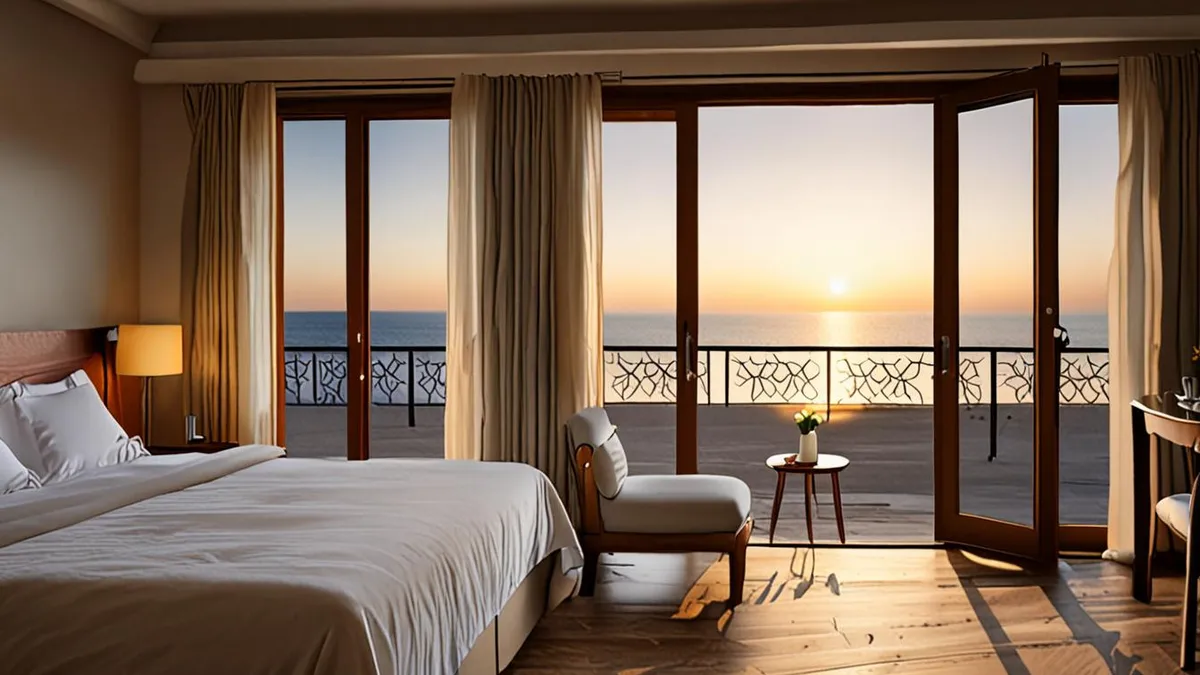
Then look closely at the room itself. Hotel photography is skilled at making compact rooms feel spacious, and category names can be misleading. Verify the actual square meters if listed, the bed configuration, and whether the view category you are paying for matches what the photos show. A “sea view” that requires leaning over the balcony railing is a common disappointment.
- Luggage storage: useful when checkout is 11:00 but your flight leaves at night; confirm it is free and secure rather than assumed.
- 24-hour reception: essential for late arrivals, since smaller boutique properties sometimes have limited overnight staffing and self-check-in arrangements.
- Accessibility needs: ask specifically about step-free entry, elevator access to your floor, grab bars and roll-in showers, because “accessible” means different things in different countries.
- Bed guarantees: if you need a real king bed or a crib, request it in advance and get confirmation, since room type does not always lock in bed type.
A five-minute email or message to the hotel covering these points is one of the highest-return habits in travel planning. Most properties answer promptly, and their replies tell you a lot about how they treat guests before you have even paid.
Your Quick Hotel-Choosing Checklist
Most hotel booking mistakes come down to the same thing: a property that looks stunning in photos but fails on the details that shape your trip. A great deal on the wrong side of town, a beautiful room next to a noisy street, or a rate that hides taxes and fees can quietly cost you both money and enjoyment. The six filters in this guide fix that by turning an emotional decision into a practical one.
Work through them in order: location first, then total price, hotel type, recent reviews, booking timing, and finally the small print you confirm before entering your card number. A hotel that passes all six filters will almost always outperform a cheaper option that fails two of them. If this guide helped you plan your next trip, leave a comment with your own hotel-picking tips or share it with a fellow traveler.