Planning your first safari can feel like standing in front of a wall of brochures. There are hundreds of lodges scattered across Kenya, Tanzania, South Africa, Botswana, Zambia and beyond, and every website promises the trip of a lifetime. If you don’t know where to start or what to actually compare, you’re not alone. The good news is that learning how to choose a safari lodge comes down to a handful of practical decisions, made in the right order.
This guide walks you through those decisions step by step. First, you’ll define what kind of trip you want and pick between East and Southern Africa. Then we’ll cover which parks suit first-timers, when to travel for the best game viewing and rates, what lodge prices really include, and how to choose between lodges, tented camps and camps of different sizes. We’ll finish with a booking timeline and a simple checklist, so you can move from overwhelmed to booked with confidence.
First Steps: How to Choose a Safari Lodge That Fits Your Trip
Before you open a single lodge website, sit down and decide what matters most to you. Some travelers care above all about wildlife density — the chance to see lions, elephants and leopards in a single morning drive. Others prioritize dramatic scenery, a specific budget level or a particular comfort style, from rustic bush camps to polished luxury lodges. There’s no wrong answer, but your priorities will shape every choice that follows.
East or Southern Africa?
Make the region decision before comparing individual properties. East Africa — Kenya and Tanzania — is famous for vast open plains, huge herds and classic big-cat country. Southern Africa — South Africa, Botswana and Zambia — offers a different flavor: South Africa’s reserves are easy to reach and well suited to first-timers, Botswana delivers remote, water-based safaris, and Zambia is known for walking safaris. Once you’ve picked a region, your list of candidate lodges shrinks from hundreds to a manageable handful.
Malaria and logistics
Two practical factors deserve early attention. Malaria risk varies by region and by property, and some South African reserves are marketed as malaria-free options — a real consideration if you’re traveling with young children or want to avoid prophylaxis. Then think about travel logistics: many lodges sit far from major airports and are reached by light aircraft to the nearest regional airstrip, followed by a camp transfer. Check how many flight legs a lodge requires and how those connect with your international arrival, because a beautiful lodge at the end of a complicated journey can lose some of its shine.
Picking the Right Region and Park
Once you’ve settled on a region, the next decision is which park or reserve to build your trip around. This choice matters more than the lodge itself in many ways, because the park determines what you can see, how crowded your game drives will feel and how much of your budget goes to getting there. If you’ve ever planned a high-end city stay — the kind of trip described in a luxury suites travel guide — you’ll recognize the pattern: the destination sets the tone, and the property refines it.
For first-timers chasing big cats, the classic choices are hard to beat. The Masai Mara in Kenya and the Serengeti in Tanzania offer some of the highest big-cat densities in Africa, and between July and September they host the Great Migration, when enormous herds move across the plains and cross the rivers. If you want the greatest chance of lions and cheetahs in a short trip, these two ecosystems belong at the top of your list.
Other regions trade big-cat density for different strengths. South Africa’s Kruger-area private reserves are easy to reach from Johannesburg, work well on shorter itineraries and suit travelers who prefer malaria-free options. Botswana’s Okavango Delta is the premium pick: gliding past elephants in a mokoro (dugout canoe) is unforgettable, but capacity is deliberately limited and prices run high.
- Reserve vs. national park: Private reserves bordering Kruger share unfenced borders with the park but control vehicle numbers, so you can spend longer with a sighting instead of joining a queue of safari cars.
- Camp locations in the Delta: Okavango lodges sit on private islands and floodplains, which is why many are reached by light aircraft only and why availability is tight in high season.
- Cross-border combinations: Some itineraries pair the Masai Mara with Tanzania’s Serengeti via regional flights, letting you follow the herds across both ecosystems in one trip — check visa and transfer logistics carefully before committing.
Timing Your Stay: Seasons and Rates
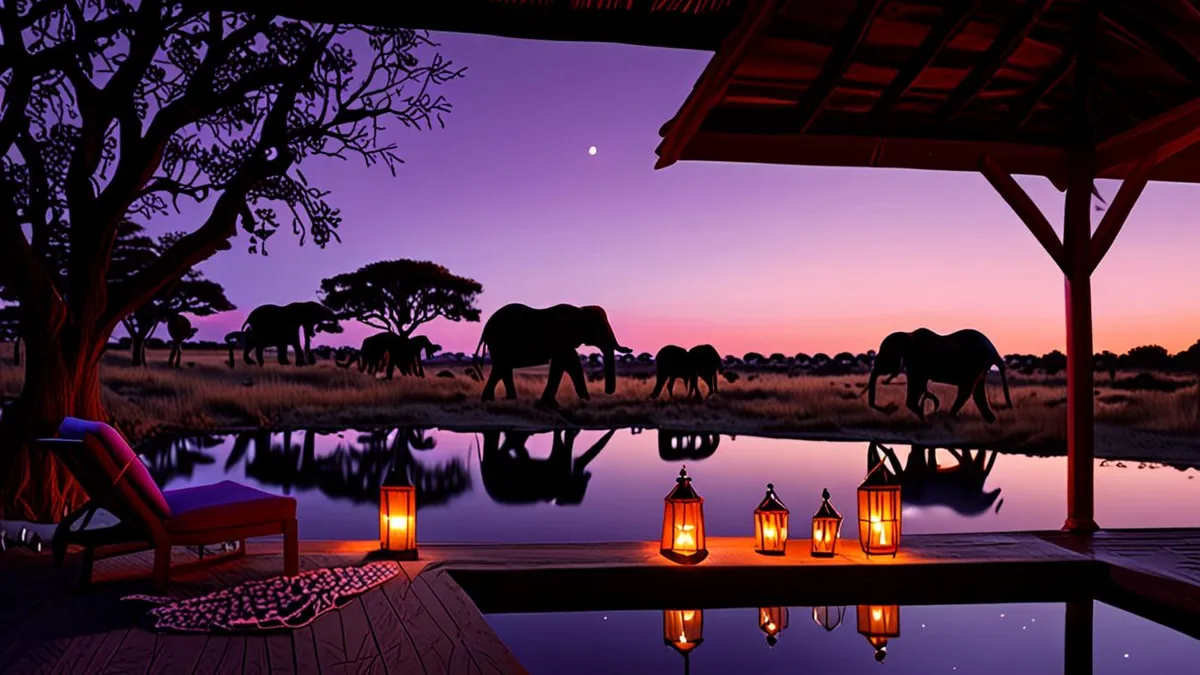
Timing shapes almost everything about a safari: what you’ll see, how many vehicles share your sightings and what you’ll pay. The core rule for first-timers is simple. Travel between June and October, during the dry season, when vegetation thins out and animals gather at permanent water sources. Wildlife viewing is at its most reliable, and in East Africa this window includes the Great Migration river crossings in the Masai Mara and Serengeti, typically from July to September.
Why the green season deserves a look
Don’t dismiss the November to March green season. Rain brings lush landscapes, and rates drop noticeably at the same lodges. You’ll share the reserve with fewer vehicles, and this is the time for newborn wildlife — baby antelope, zebra foals and the predators that follow them. Photography is often superb, with dramatic skies and fresh green backdrops instead of dusty golden grass. The trade-off is that animals disperse across a wider area, so sightings can take more patience.
What the price difference looks like
The seasonal gap is significant. As a rule of thumb, expect peak-season rates to run roughly double the green-season prices at the same lodge. That means the difference between the two windows can fund extra nights, a better room category or a second destination on your itinerary. If your dates are flexible, ask lodges for quotes in both seasons and compare what you get for the money. If you’re set on peak-season travel, remember that the best camps sell out early, so start planning well ahead.
Setting Your Budget: What Lodge Rates Really Include
Safari lodge pricing can look confusing at first, because two lodges with similar headline rates may deliver very different value. The good news is that most rates are more inclusive than a typical hotel stay, so once you understand what is bundled in, comparing options becomes much easier.
Mid-range lodges typically cost $250-$600 per person per night, and that price usually covers your accommodation, all meals, and the standard twice-daily game drives. Park entry fees are also commonly included in this bracket, which matters because those fees can be significant in famous reserves. At this level you get a comfortable, well-run safari experience without paying for extras you may not need.
Luxury camps generally start around $800 and can climb past $2,000 per person per night. What you are paying for is exclusivity: private guides and vehicles, dedicated butler service, and access to private concessions where you can game drive away from other vehicles. Some high-end camps also include internal flights in their rates, which simplifies logistics considerably.
Before you compare prices side by side, check exactly what each rate includes. The list below covers the items most likely to surprise you on your final bill.
- Drinks: Some all-inclusive rates cover soft drinks, beer and house wine, while others only include water at meals. Premium spirits and cellar wines are often billed separately even at luxury camps.
- Laundry: Many camps offer complimentary laundry, but some charge per item or exclude it entirely. On a week-long trip this can add up, so ask before booking.
- Internal flights: Light-aircraft transfers between the main airport and your lodge’s airstrip are usually quoted separately. Confirm whether your rate includes them or whether you must book them yourself, as they are often a required part of reaching remote camps.
- Conservation or community levies: A few lodges add a nightly levy on top of the quoted rate to fund local conservation work. These are usually modest, but they belong in your budget math.
Comparing Lodge Types and Camp Sizes
Not all safari accommodation is the same, and the style you choose shapes your whole experience. The two broad categories are permanent lodges and tented camps, and each has a distinct feel.
Permanent lodges vs. tented camps
Permanent lodges are built structures with solid walls, and they typically offer amenities like swimming pools, restaurants and sometimes spas. They feel closer to a traditional hotel stay, which suits travelers who want comfort and predictability after a dusty day of game viewing.
Tented camps trade polish for atmosphere. You sleep under canvas, often on a raised platform, with the sounds of the bush all around you at night. Modern safari tents usually have proper beds, en-suite bathrooms and even outdoor showers, so comfort is rarely the sacrifice people imagine. If you want to feel immersed in the landscape, canvas delivers.
Camp size matters more than you think
Small camps of 6-12 tents offer the most intimate experience. With so few guests, vehicles rarely fill up, everyone gets a window seat, and the staff learn your name by day two. Game drives feel personal, and dinner is often shared around one table with your guides.
Larger lodges suit families and first-timers who want more facilities, flexible meal times and a social atmosphere. There is usually a pool for kids between drives, and the pace is less structured. The trade-off is that vehicles can carry more guests, so ask about the maximum number per vehicle before booking.
One more factor to weigh: location within the reserve. Lodges on private concessions can offer night drives and off-road tracking to follow predators, activities that public parks typically restrict. If a leopard sighting at close range or a spotlight drive after dinner excites you, prioritize a concession-based camp even if it costs a bit more.
Booking Timeline and Practical Checks
Once you have shortlisted a lodge, booking well is mostly about timing and asking the right questions before you pay any deposit. Safari camps are small, often with only a handful of rooms or tents, so the best ones fill up quickly for the dry season. A little lead time goes a long way, and a short checklist of questions can save you from costly surprises later. Remote camps also operate differently from city hotels: meals, drives, transfers and even your arrival flight may all follow the lodge’s schedule rather than yours. Work through the steps below before you commit, and keep written confirmation of every answer you receive.
- Match your dates to the booking window. If you want to travel in peak season, reserve 9-12 months ahead, because small camps have limited rooms and demand is highest then. Green season travel is more flexible, and booking 3-6 months out is usually enough to find good availability.
- Confirm the daily game drive schedule. Most camps run twice-daily drives, one early in the morning and one in the late afternoon, each lasting about 3 hours. Check that this is included in your rate and whether private vehicles are available at an extra cost.
- Verify airstrip transfers. Most safari camps include transfers from the nearest airstrip, which is often 20-60 minutes away by road. Confirm the transfer is complimentary and how it is coordinated with your incoming flight.
- Check child policies if traveling with kids. Some camps have minimum age limits for game drives or for staying at all, while others offer family tents and child-friendly activities. Get this in writing before you commit.
- Read the cancellation terms carefully. Ask how far in advance you can cancel, what percentage is refunded at each stage, and whether travel insurance is recommended or required. Remote camps often have stricter terms than city hotels.
- Clarify flight requirements. Some lodges require guests to arrive on internal charter flights at set times, which affects how you book your international arrival. Confirm whether the lodge books these for you or expects you to arrange them independently.
With these answers in hand, you can pay your deposit with confidence. A short email summarizing what the lodge confirmed, drives, transfers, policies and cancellation terms, gives you a record to refer back to if anything changes later. If a camp cannot answer one of these questions clearly, treat that as a warning sign and keep another lodge on your shortlist as a backup.
Your Safari Lodge Checklist at a Glance
Choosing a safari lodge felt overwhelming when you started: hundreds of camps spread across Kenya, Tanzania, South Africa and Botswana, each promising the trip of a lifetime. The way through that confusion is simpler than it looks. You now know how to match region, season and budget to your first safari, so the long list of options shrinks to a short one almost immediately.
From there, compare lodge type, camp size and inclusions using the price ranges and timelines above, and check what each rate actually covers before you commit. Book within the recommended lead times, confirm the practical details with your operator, and your first safari lodge choice becomes simple. If this guide helped you plan your trip, leave a comment or share it with a fellow traveler.