Deciding where to stay near Banff is harder than it looks. The lodge areas around the park differ sharply in price, drive time and access to trailheads, and the wrong choice can mean long drives every morning or rates that eat your whole budget. A lodge in Banff townsite, a condo in Canmore and a forest retreat on the Bow Valley Parkway each suit a very different kind of trip.
This guide compares the main lodge areas side by side: walkability in Banff townsite, value in Canmore, and early trailhead access around Lake Louise and the Bow Valley Parkway. You’ll also find guidance on when to book for summer and winter stays, how to match each area to your trip style and budget, and what to check before you commit to a lodge. By the end, you should be able to pick a base that fits how you actually travel.
Banff Townsite: Walkability and Central Access
If convenience is your top priority, lodges in Banff townsite are hard to beat. You can walk to restaurants, cafes and shops within minutes, and the Banff Gondola is also within walking distance of many properties. That means no parking hunts, no driving after dinner and easy access to evening strolls along the Bow River.
Who it suits best
Banff townsite is the strongest fit for first-time visitors and car-free travelers. If you’re relying on shuttles to reach trailheads and sights, staying in the townsite puts you closest to departure points, and you can fill gaps between activities without needing a vehicle. It also works well for short trips where you want to maximize time on the ground rather than behind the wheel.
What to expect on price
The trade-off is cost. Expect the highest rates in the region here, roughly CAD 350–600 per night during the peak summer season from late June through early September. If your budget can absorb that, you’re paying for location; if not, the surrounding areas offer better value for the same park access.
Canmore: Better Value Just Outside the Park
Canmore sits about 20 minutes from Banff, just outside the park boundary, and that distance works in your favor. Lodge rates here typically run 20–30% less than comparable in-park options, which adds up quickly over a week-long stay. You keep easy access to Banff’s trails and sights while paying noticeably less for the same mountain setting.
Space and kitchens for longer stays
Canmore also offers a wider selection of condo-style lodges with full kitchens. That layout is ideal for families and anyone staying longer than a few nights: you can cook breakfast before an early trailhead start, pack lunches and skip restaurant bills every evening. Having a living room and separate bedrooms makes a big difference when you’re traveling with kids or a group.
The trade-off to weigh
The compromise is that you’ll drive or take a shuttle into the park for trailheads and major sights. Nothing in Canmore is walkable to Banff’s main attractions, so build that 20-minute drive into each day, and in winter check road conditions before heading out. If you’re comfortable with daily driving in exchange for lower rates and more space, Canmore is usually the smartest base near Banff.
Lake Louise and the Bow Valley Parkway
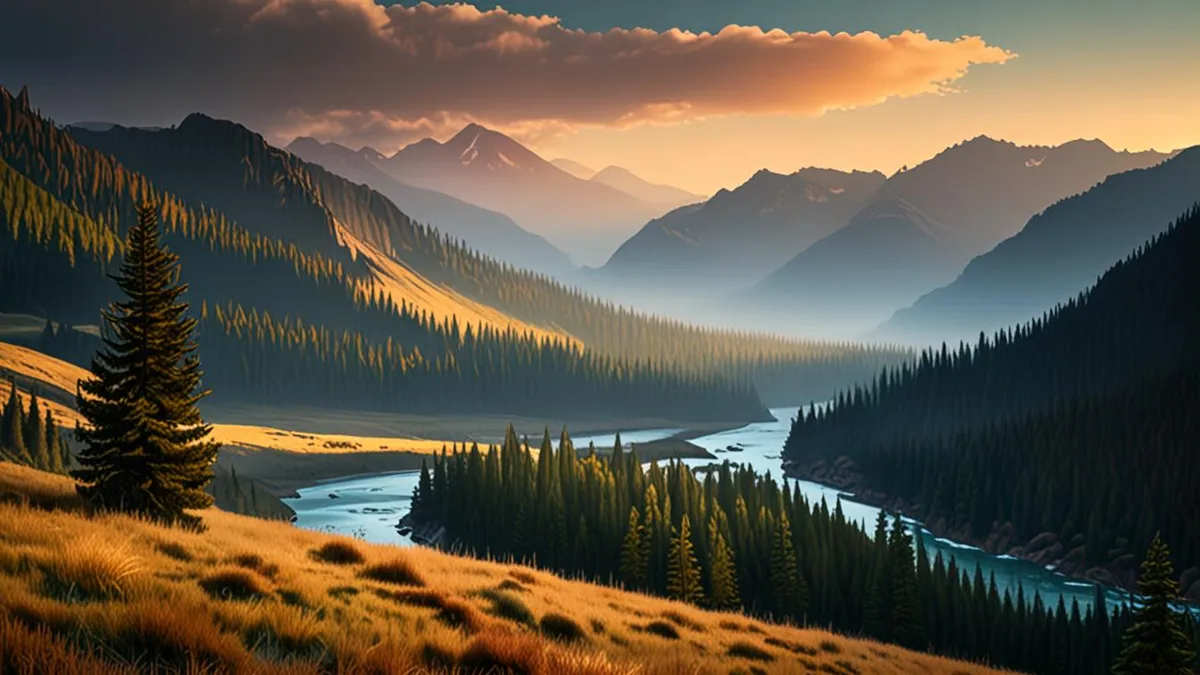
If your trip revolves around hiking or photography, the Lake Louise area puts you closest to the action. Lodges here cut the drive to the Moraine Lake and Lake Louise trailheads to minutes, which matters enormously at these spots, where arriving early often means the difference between a quiet shoreline and a crowded parking scramble. Photographers chasing sunrise and alpenglow benefit most from rolling out of bed and being on the trail almost immediately.
Quiet forest settings on the Bow Valley Parkway
Lodges along the Bow Valley Parkway offer a different kind of appeal: quiet forest settings about 25–40 minutes from Banff townsite. You trade the convenience of town for stillness, dark skies and a good chance of spotting wildlife from the road on your way to the day’s hike. Many of these lodges feel remote even though they’re a straightforward drive from both Banff and Lake Louise.
Who should choose this area
This area is best for hikers and photographers who prioritize early trailhead access over dining options. Restaurant choices here are limited compared with Banff townsite, so plan meals around your lodge or stock up on supplies before you arrive. If being first on the trail matters more than walking to dinner, the extra drive time from town is a price worth paying.
When to Book: Seasons and Lead Times
Timing your booking matters almost as much as choosing the right area. Lodge availability near Banff tightens fast in the summer high season, which runs late June through early September. For the best selection of rooms and rates, reserve your summer stay four to six months ahead. Waiting until spring usually means picking from whatever is left, often at the top of the price range.
Winter works differently. Stays between December and March generally need two to three months of lead time, and the calendar matters more than you might expect. Lodge rooms tied to ski weekends disappear first, especially around holidays and long weekends, so if your trip centers on skiing, book those dates before anything else.
Flexible travelers can save significantly by shifting to the shoulder seasons. May through mid June, and late September through October, typically bring rates roughly 20–40% lower than summer peaks, with far quieter trails and easier parking at popular sights.
- Midweek summer nights are usually easier to book than Friday and Saturday stays, so a Sunday-to-Thursday trip widens your options without changing your budget.
- When booking winter, ask whether the lodge plows its parking area and how it handles heavy snowfall days, since outlying properties vary in winter access.
- Shoulder-season travelers should confirm which lodge restaurants and amenities operate on reduced hours, as some services scale back outside peak months.
- If you miss the booking window for summer, check cancellation-backed rates early in the season and watch for openings as travelers adjust plans.
Matching Lodge Areas to Trip Styles and Budgets
Your trip style should drive where you book, not the other way around. For summer trips, a budget of roughly CAD 250–450 per night stretches furthest in Canmore, where you get more space and amenities for the money. Once you can spend CAD 450 or more per night, lodges inside Banff townsite open up, putting restaurants and shops within walking distance.
Winter skiers face a genuine trade-off. Banff townsite gives you practical access to three ski areas, which matters if you plan to rotate between them during a week of skiing. Canmore still saves you money, but factor in the roughly 20-minute drive to Banff each day when comparing totals, plus parking at the hill.
Trip style also narrows the field quickly. Couples planning a romantic or wellness-focused getaway tend to be happiest on the Bow Valley Parkway, where forested lodges offer real seclusion and dark, quiet evenings. Families, on the other hand, usually get more value from Canmore’s condo-style layouts, where a kitchen and separate sleeping space make longer stays far easier.
- If you are visiting without a car, prioritize Banff townsite, since outlying areas require a car or shuttle for nearly every activity.
- Photographers chasing sunrise shoots should weigh the drive to Lake Louise, about 40 minutes from Banff townsite, against staying closer to the trailheads.
- Budget-conscious summer travelers can also mix bases: a few nights in Canmore paired with one or two splurge nights in town keeps the average rate down.
- Wellness-focused travelers should confirm whether a lodge’s hot tub or spa facilities are shared or bookable, a detail that varies widely between properties.
How to Spot a Genuinely Great Lodge Near Banff
Two lodges can look nearly identical online and perform very differently in person. A few specific checks before you book will separate the genuinely great properties from the merely photogenic ones.
Start with parking. Some rates include it, some do not, and at outlying lodges without shuttle access you will be driving every day, so a paid parking add-on becomes a real cost over a week. Ask exactly what the rate covers before you compare prices, otherwise an apparent bargain can quietly become the most expensive option.
Next, read recent reviews with two weak points in mind: soundproofing and heating. Older mountain lodges often have thin walls and temperamental heating systems, and neither shows up in listing photos. Look for comments from guests who stayed in the same season as your trip, since a lodge that feels charming in August can be a different experience in January.
Finally, confirm cancellation terms before booking peak-season dates. Weather and road conditions in the Rockies can shift plans quickly, and a flexible rate is often worth a few extra dollars in summer, when four to six months of lead time leaves plenty of room for plans to change.
- Check whether the lodge charges a resort or amenity fee on top of the room rate, since these add-ons are easy to miss in the booking summary.
- Look for reviews that mention water pressure and hot water availability, a common complaint at older lodges during busy periods.
- If you are traveling in winter, ask whether the property offers ski storage and drying space for boots and outerwear, which makes multi-day ski trips far more comfortable.
- For shoulder-season stays, confirm which room categories remain open, as some lodges close portions of the property when occupancy drops.
Choosing Your Base with Confidence
So which base fits your trip? If you want everything on foot, Banff townsite is the obvious pick. If stretching your budget matters most, Canmore delivers value just outside the park gates. And if your days revolve around beating the crowds to the trails, the lodges along the route toward Lake Louise put you closest to the action. Each area earns its place for a different kind of traveler.
Timing matters as much as location. Reserving well ahead of the peak season, or a couple of months before a winter stay, secures both the area and the rate you want. Matching your trip style to the right area matters more than any single lodge choice. If this guide helped you plan your Banff base, leave a comment or share it with a fellow traveler.